
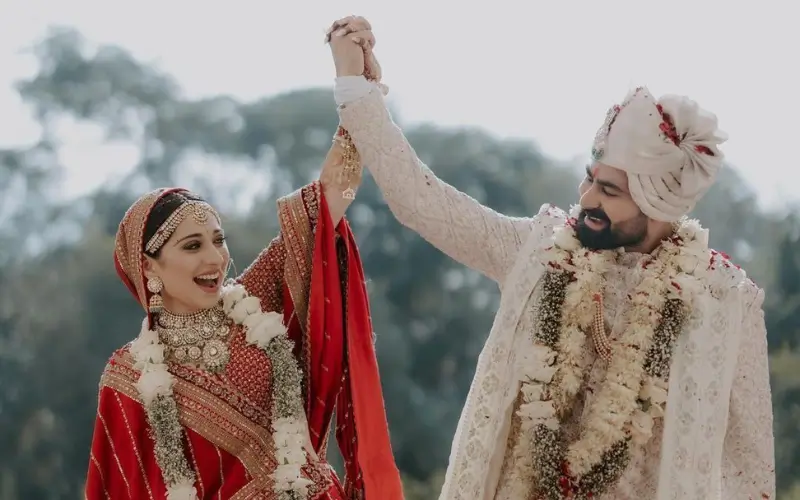
If you’ve started planning your wedding, you’ve probably noticed something: the photography conversation has changed. Five years ago, couples asked for “good candid shots” and called it a day.
Today, they’re asking about film grain, drone choreography, AI-assisted editing, and whether their photographer can shoot a 45-second reel that’ll actually get watched till the end.
That shift isn’t just aesthetic preference. It’s tied to a wedding industry that’s growing at a remarkable pace.
India’s wedding services market was valued at roughly USD 139.33 billion in 2026, and it’s projected to grow at a CAGR of 15.32% through 2035, eventually crossing USD 500 billion.
As couples spend more on every part of their wedding, photography is no longer an afterthought, it’s one of the most negotiated, researched, and emotionally loaded decisions in the entire planning process.
So, what exactly are couples asking for in 2026?
Let’s break down the trends that are actually shaping shoots across India right now, not just the ones trending on Pinterest moodboards.
1. Documentary-Style Storytelling Over Posed Perfection
The biggest shift this year isn’t a filter or a gadget, it’s a mindset.
Couples are moving away from stiff, staged portraits and leaning into documentary-style coverage that captures real interactions: the nervous laugh before the varmala, an aunt wiping away tears, the groom’s friends losing it over a dance move.
According to wedding photographers surveyed for 2026, couples increasingly want photos that feel documentary but still have a sense of direction, especially for couple, family, and detail shots, where things are posed in a way that doesn’t look staged. In other words, it’s not about abandoning structure entirely; it’s about making the structure invisible.
This matters because, as the same source points out, the weddings people remember most aren’t the most styled ones, they’re the ones that felt the most real.
That’s a meaningful insight for anyone choosing a wedding photographer in Patna: ask to see full galleries, not just hero shots, because the in-between moments are where this trend lives.
2. Cinematic Reels Are Now Non-Negotiable
If you’re not getting a short-form video as part of your package, you’re behind.
By 2026, 30 to 60-second cinematic reels have become a standard deliverable, and vertical formats are no longer optional, they’re expected.
These aren’t just stitched-together video clips either; they’re built with deliberate pacing, music synchronization, and seamless transitions designed to hold attention on Instagram and YouTube Shorts.
This trend is being driven largely by how people consume content now.
Couples see their wedding visuals as part of their personal brand, and short-form platforms have fundamentally changed how wedding memories get consumed and shared.
Practically speaking, this means your professional photography and videography teams need to work in sync from day one, not as two separate vendors stitching together unrelated footage after the fact.
3. Film Grain and Analogue-Inspired Editing
Here’s a trend that surprises a lot of couples: the bright, airy, almost over-processed look that dominated weddings around 2019 is fading.
In its place is a warmer, grainier, more textured aesthetic that mimics old film stock.
Photographers are deliberately adding film grain, reducing digital sharpness, and using presets that emulate classic film stocks like Kodak Portra 400 or Fuji Pro 400H, creating an immediate sense of warmth and timelessness.
The appeal here is longevity, these images are designed to look as good decades from now as they do today, rather than screaming “this was edited in 2026.”
If this look appeals to you, it’s worth asking your photographer directly whether they offer a hybrid film-plus-digital package, since not every studio has built out this editing style yet.
4. Vintage and Retro Aesthetics Are Making a Comeback
Closely related to the film-grain trend, full-on vintage and retro styling is having a real moment.
Think warm tones, soft light leaks, and subtle sepia undertones that feel pulled from another decade.
This style pairs particularly well with heritage palaces, European villas, and historic venues, where the architecture itself becomes part of the visual story.
On the flip side, there’s also a louder, more playful retro wave drawing from 90s and early 2000s aesthetics.
Direct flash, rich colors, and playful compositions are creating images that feel fun and youthful, and this style thrives particularly during after-parties, cocktail hours, and dance floors.
Couples often mix both, vintage softness for daytime rituals, retro flash energy for the night.
5. Editorial-Style, Fashion-Magazine Portraits
Influenced heavily by fashion editorials, couples are increasingly requesting portrait sessions that look like they belong in a glossy magazine spread.
This involves Vogue-style lighting, cinematic poses, and runway-inspired elegance, typically shot before the ceremony or in a controlled setup where lighting, props, and backdrops are styled to perfection.
This trend works particularly well for pre-wedding shoots, where there’s more flexibility around location, lighting equipment, and time.
It’s a deliberate contrast to the documentary style mentioned earlier, couples want both: raw authenticity during the actual wedding, and polished glamour for portraits they’ll frame or print large.
6. Drone Photography as a Storytelling Tool, Not Just an Aerial Shot
Drones aren’t new to Indian weddings, but how they’re being used has evolved. They’ve moved beyond simple venues establishing shots into genuine narrative tools.
Drones are now used to capture the grand entrance and wide cinematic pans during the varmala, adding scale and drama to key emotional moments.
This evolution has been helped along by improving technology and regulation.
As the source notes, lightweight drone technology and expanding legal permissions in India are making this kind of dynamic aerial storytelling more accessible to a wider range of couples and budgets, not just ultra-luxury weddings.
7. AI-Assisted Editing for Faster, Higher-Quality Delivery
This is the trend that’s changing the business side of wedding photography more than the creative side. Artificial intelligence tools are now woven into post-production workflows across the industry.
As one industry analysis puts it, AI improves editing speed, enhances quality, and helps photographers deliver faster results in modern wedding photography in India.
For couples, this translates into shorter turnaround times for both galleries and reels, a huge improvement over the weeks-long waits that used to be standard.
It also means photographers can spend more time on creative decisions and less on repetitive technical editing, which, ironically, is partly why the documentary and emotion-driven trends above have room to flourish.
8. Micro-Weddings and the “Blend In, Don’t Stand Out” Photographer
Big, blowout weddings haven’t disappeared, but smaller, more intimate celebrations have carved out serious space in the market. For these weddings, the photographer’s job description has changed.
Couples want someone who can blend in quietly, capturing real emotions and unscripted moments rather than directing every shot.
This connects directly to the broader décor shift happening in 2026.
Minimal décor, natural tones, and eco-friendly themes have become a key visual trend, with couples choosing greenery-based mandaps, earthy palettes, and zero-waste props. Naturally, this aesthetic blends beautifully with the candid, documentary-style photography that’s already dominating this year’s preferences, it’s a cohesive movement, not a set of unrelated choices.
9. Narrative-Driven Galleries Over Standalone Albums
There’s also a structural shift in how final deliverables are organized.
The old model, a static album with a handful of standout photos, is being replaced by something closer to a story arc.
Couples care deeply about how their entire gallery flows, creating an experience that feels like reliving the day rather than just scrolling through disconnected images.
This is being reinforced industry-wide.
Photographers now approach weddings as unfolding stories, starting from the pre-wedding phase and continuing all the way through the ceremony and post-wedding celebrations, rather than treating each function as a separate, disconnected shoot.
If you’re comparing photographers, ask to see a complete gallery sequence from a real wedding rather than just a highlights reel, it’ll tell you a lot about how they think about narrative.
10. Multi-Location and Destination Pre-Wedding Shoots
Pre-wedding shoots have become an event in their own right, often spanning multiple locations or even multiple cities.
This trend is closely tied to the broader destination wedding boom in India. Notably, Gen Z is leading this shift: in a 2024 survey, 49% of Gen Z respondents were planning or had already had a destination wedding, compared to 33% of millennials, with Goa emerging as the top choice followed by Dubai.
This has a direct ripple effect on photography demand, since destination shoots typically require more travel days, more locations scouted in advance, and often a larger creative team to cover everything from golden-hour portraits to candid candid coverage at resort poolside events.
What This Means If You’re Planning a Wedding in 2026
With so many style options on the table, the real challenge isn’t finding inspiration, it’s choosing a direction before you start interviewing photographers.
A practical approach that’s working well for couples: build a moodboard of 20 to 30 images you genuinely love, then look for patterns.
If everything you’ve saved leans toward warm tones and soft grain, you’re drawn to the analogue, vintage aesthetic.
If you keep gravitating toward dark, high-contrast, dramatic frames, you’re likely after a moody-cinematic style instead.
Once you know your direction, be specific with your photographer.
Ask to see full sample galleries from weddings at similar venues or in similar lighting conditions, not just curated highlight reels.
Ask directly whether film-grain editing, AI-assisted post-production, or vertical reel delivery are part of their standard package or an add-on.
And if a destination or multi-day wedding is on the cards, confirm travel logistics and team size early, since pricing and availability shift significantly across metros and tier-2 cities.
You can also Read this : How to choose the best Wedding Photographer in Patna
Final Thoughts
Wedding photography in India in 2026 isn’t chasing a single dominant look, it’s a blend of opposing instincts working together. Couples want raw, unscripted honesty and polished, editorial glamour.
They want timeless film-inspired warmth and scroll-stopping vertical reels. They want intimate, quiet coverage and sweeping drone-shot drama.
The thread connecting all of it is intentionality.
Today’s couples aren’t just hiring someone to take pictures; they’re hiring a storyteller who understands which moments matter and how to weave them into something they’ll want to revisit for decades.
Whatever style you land on, the most important step is the same one photographers keep emphasizing: get clear on your story first, and let the trends serve that story, not the other way around.
To be with the trend and make your dream weeding memorable, you can contact Kisik Production.
Reach out to Kisik Production at hello@kisikproduction.com or call (+91) 87094 38671. You can also explore our portfolio to see this approach in action before you book. Your wedding day will happen once. Make sure the story gets told the way it deserves.